Ecologists call them ecotones... the zones where forest meets meadow, where river meets shore. Biodiversity spikes there. The richest life doesn't happen in the middle of anything.
Quantum systems are most sensitive at their boundaries. That's where decoherence happens, where the classical and the strange negotiate.
In martial arts, the dangerous fighter controls the distance, the edge between contact and space. All technique lives there.
Mystics of every tradition describe the threshold as sacred. Limen. Bardo. The thin places of Celtic spirituality where the veil is permeable.
Jazz musicians call it the pocket, that razor edge between the beat and behind it. Groove is not the note. It's where the note lands relative to everything else.
Psychologists know that growth happens at the edge of competence, not inside it. Comfort zones are where skills go to stop.
Chefs know it too. Caramelization, the Maillard reaction, crust... all edge phenomena. The interior is just bulk.
Language learners discover this the hard way.
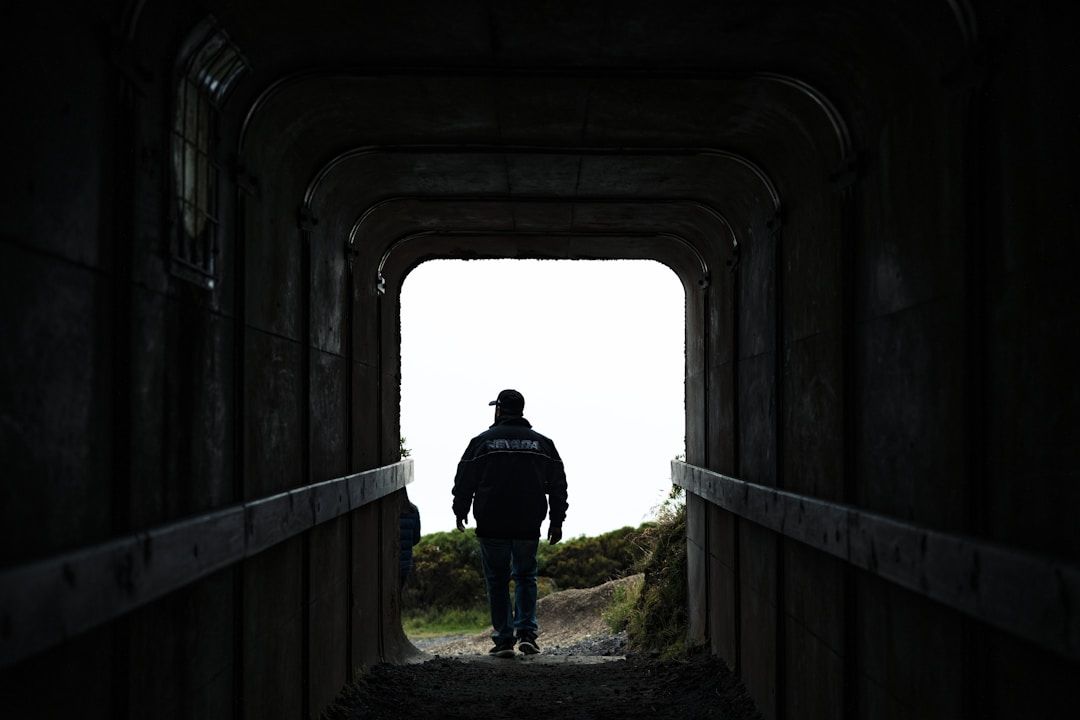
It lives at the boundary, the word you almost know, the sentence you have to reach for, the conversation slightly above your level that forces improvisation.
Linguists call it the i+1. Krashen's input hypothesis: comprehensible input just beyond your current level. Not impossible. Not easy. The edge.
The moment you stop feeling friction in a language, you've stopped growing in it. Comfort in a foreign tongue is a pleasant plateau and a trap.
The accent you're not working on, the subjunctive you're avoiding, the idiom that still sounds foreign in your mouth... those are your edges. That's where the language is waiting for you.
And there's something deeper. A new language isn't a code for your existing thoughts. It's a different cognitive shoreline, a new edge between you and the world. French doesn't just translate your mind. It reorganizes it.
The untranslatable words, dépaysement, flâner, aren't gaps. They're invitations to inhabit a boundary your mother tongue never drew.
The most alive language learners are permanently, productively uncomfortable. Edge-dwellers by discipline and by a choice constantly renewed.
So find where two things meet in your life, disciplines, relationships, identities, habits, languages, and work that seam. Don't pick a side. Don't retreat to the center.
The edge is uncomfortable because it's alive. And life doesn't consolidate. It moves, it mutates, it reaches. Always slightly beyond the here and now.
Imitate it. Be life. Fluent in movement and comfortable with being in-between states, on and on.