There is a moment, early on, when a language stops being foreign. You cannot plan for it. It arrives the way a person does: suddenly interesting, suddenly necessary, and you find yourself rearranging your days around it without quite knowing why.
My first language was not really learned. It was absorbed, the way children absorb everything: without effort, without awareness, in the warmth of a Montreal kitchen, in the particular music of Québécois French spoken by people who loved me. That kind of language lives in the body before it lives in the mind. It is the closest thing to a mother tongue there is.
Standard French and English came next, through school, more deliberate and less intimate. Then German in my early twenties: my first real choice, the first language I pursued rather than inherited. It had the quality of a new friendship: stimulating, a little formal, full of potential that I did not entirely follow through on. I have made peace with that.
Hungarian was different. I was thirty when I took an apartment in Budapest, and I stayed five years. Hungarian does not meet you halfway. It asks everything and offers very little at the beginning. But cities get inside you when you stay long enough, and so do their languages. By the time I left, I was not fluent so much as entangled.
Then there was Italian. Thirty years of it, learned not in a classroom but across a table, in the back-and-forth of a life shared with someone whose family carried the language the way mine carried French: in the body, before the mind. You learn differently when love is the context. You pay a different quality of attention. You care about getting it right not for any abstract reason but because it matters to a specific person sitting across from you, and that specificity changes everything.
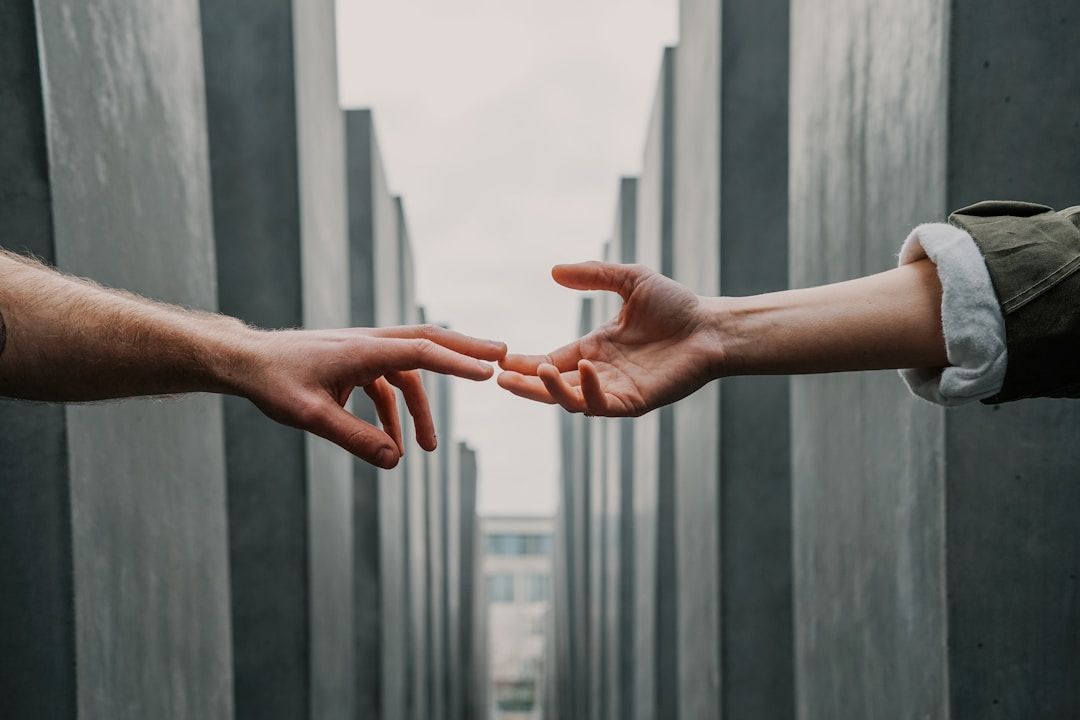
I lost her in 2022. Grief does something strange to language: it strips it down to what matters. What I noticed, in the time that followed, was that I returned to French the way you return to something that holds you without asking anything back. And I kept going. Spain for nearly a decade, with a year in Milan that gave the Italian somewhere new to breathe. And then, just last year, Sicilian and Maltese: two languages that are not widely taught, not obviously useful, not anything other than interesting to me, which turned out to be reason enough.
If there is a thread through all of this, it is that the languages I have loved best have always been attached to people or to places where something real was at stake. You learn differently when love is the context, as I said. But I would go further: I am not sure you learn at all, not deeply, without it.
Vulnerability is unavoidable. You will say the wrong thing. You will reach for a word and find nothing there. You will be misunderstood, and you will misunderstand, and somewhere in that repeated awkwardness, without noticing exactly when, something shifts. You stop protecting yourself from the process.
I built an entire community around that belief: people who came looking for a language and found, I think, something closer to belonging. Because that is what languages offer, in the end. Not just communication. Membership in a world.
You do not end up speaking a language. You end up living inside it, the way you live inside a life you chose and kept choosing, one quiet day at a time.